Event marketing has become one of the most powerful ways to drive brand awareness, customer engagement, and revenue. Unlike traditional advertising, events allow companies to create memorable experiences that build trust and accelerate conversions.
In this guide, we'll explore everything you need to know about event marketing, from strategy and planning to execution and measurement, so you can turn every event into a profit-generating machine.
1. What is Event Marketing?
Event marketing is the strategic use of live or virtual events to promote a brand, product, or service. It's about creating experiences that connect with your audience on a deeper level than traditional marketing channels.
Types of Events Include:
- Live conferences and workshops
- Webinars and virtual summits
- Product launches and demos
- Networking and industry events
- Trade shows and expos
Key Goal: Create engagement, nurture leads, and influence purchasing decisions.
2. Why Event Marketing Works
Human Connection
People trust personal interactions more than ads
Experiential Memory
Interactive experiences stick in the audience's mind
Lead Generation
Events capture qualified leads for follow-up
Authority Building
Hosting positions your company as an industry expert
Content Amplification
Recordings and case studies extend reach beyond the event
📊 Data Point: Companies that run strategic events report 25-40% higher conversion rates compared to standard digital campaigns.
3. How to Plan a High-Impact Event
Step 1: Define Objectives
Step 2: Identify Target Audience
- • Segment by industry, role, and engagement stage
- • Tailor content and format to audience needs
Step 3: Choose Event Type
- • Online vs in-person
- • Workshop, webinar, summit, trade show
Step 4: Set KPIs
Registrations, attendance rate, engagement, follow-up conversions
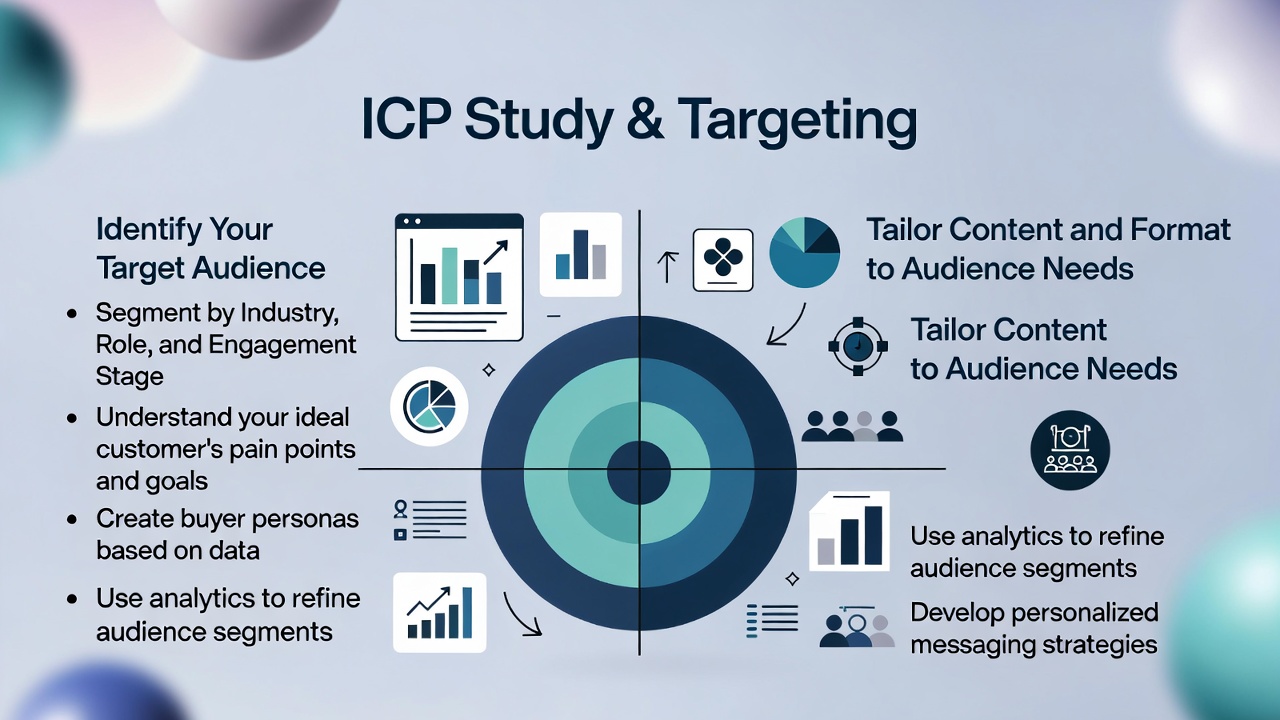
Understanding your ICP is crucial for event success
4. Event Promotion Strategies
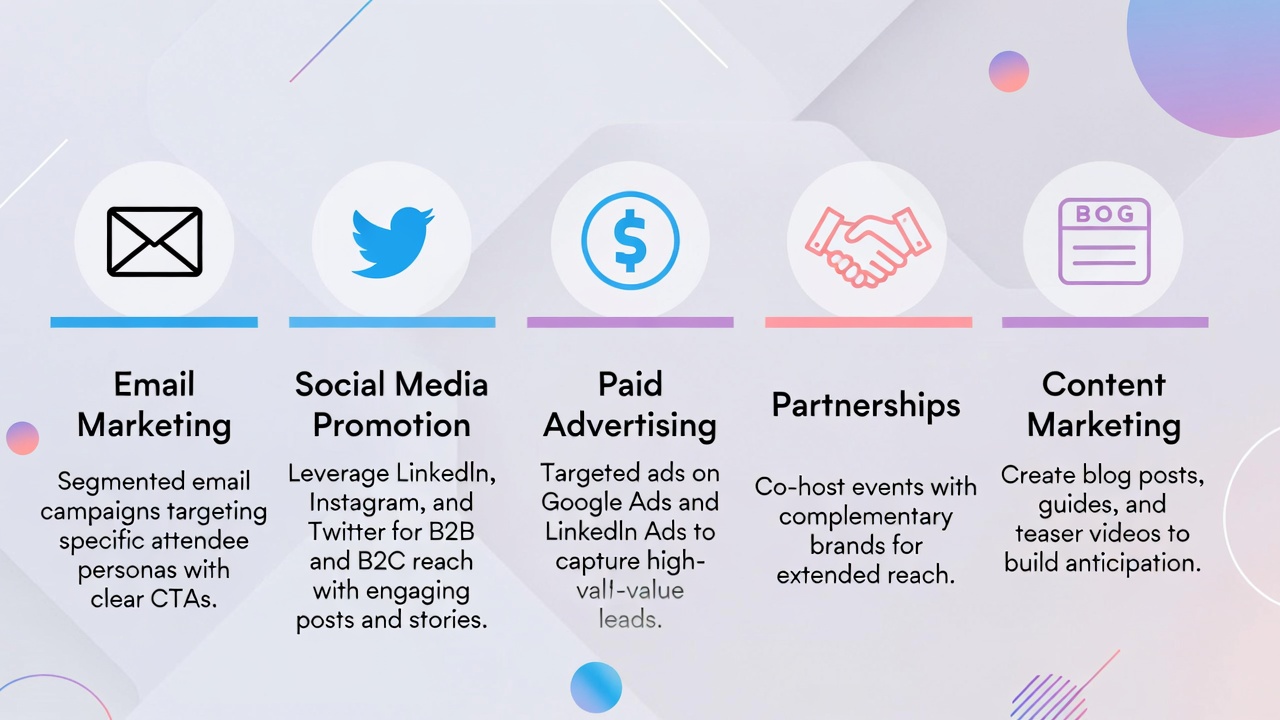
Email Marketing
Segmented campaigns with clear CTAs
Social Media
LinkedIn, Instagram, Twitter for B2B and B2C
Paid Ads
Google Ads, LinkedIn Ads for high-value leads
Partnerships
Co-host with complementary brands for reach
Content Marketing
Blog posts, guides, and teaser videos
💡 Pro Tip: Promote your event at least 6-8 weeks before launch to maximize attendance.
5. Engaging Your Audience During the Event
Interactive Sessions
Q&A, polls, breakout rooms
Gamification
Contests, leaderboards, or prizes
Storytelling
Focus on outcomes and success stories
Speaker Quality
Experts build trust and credibility
6. Post-Event Strategies
Pro Tip: Always compare KPIs against objectives to refine your next event.
7. Tools & Technologies for Event Marketing
CRM Integration
Salesforce, HubSpot for lead tracking
Webinar Platforms
Zoom, Hopin, Demio
Marketing Automation
Mailchimp, ActiveCampaign
Analytics
Google Analytics, event dashboards
The right tools allow scaling without losing personalization.
8. Event Marketing Case Study
MyWebGlory helped Kornit Digital generate 1,208 registrations in 8 weeks by combining strategic email campaigns, LinkedIn targeting, and engaging webinars.
9. Best Practices for Long-Term Success
- Plan content in quarterly cycles
- Keep events consistent to build audience trust
- Record and repurpose content for SEO and backlinks
- Encourage attendee sharing on social media
- Continuously test formats, timing, and topics
10. Conclusion
Event marketing is more than just hosting an event - it's a strategic revenue engine. With careful planning, engaging content, and follow-up, your events can:
Generate qualified leads
Build your authority in the industry
Create long-lasting customer relationships
Start with one well-planned event, analyze results, and scale your efforts for maximum ROI.